
The K-Beauty Packaging Reset: Why Waterless Skincare Changes More Than the Formula |
Eco-engineering is becoming a quiet signal of which Korean brands can protect formulas, reduce waste, and still make skincare easy to use. |
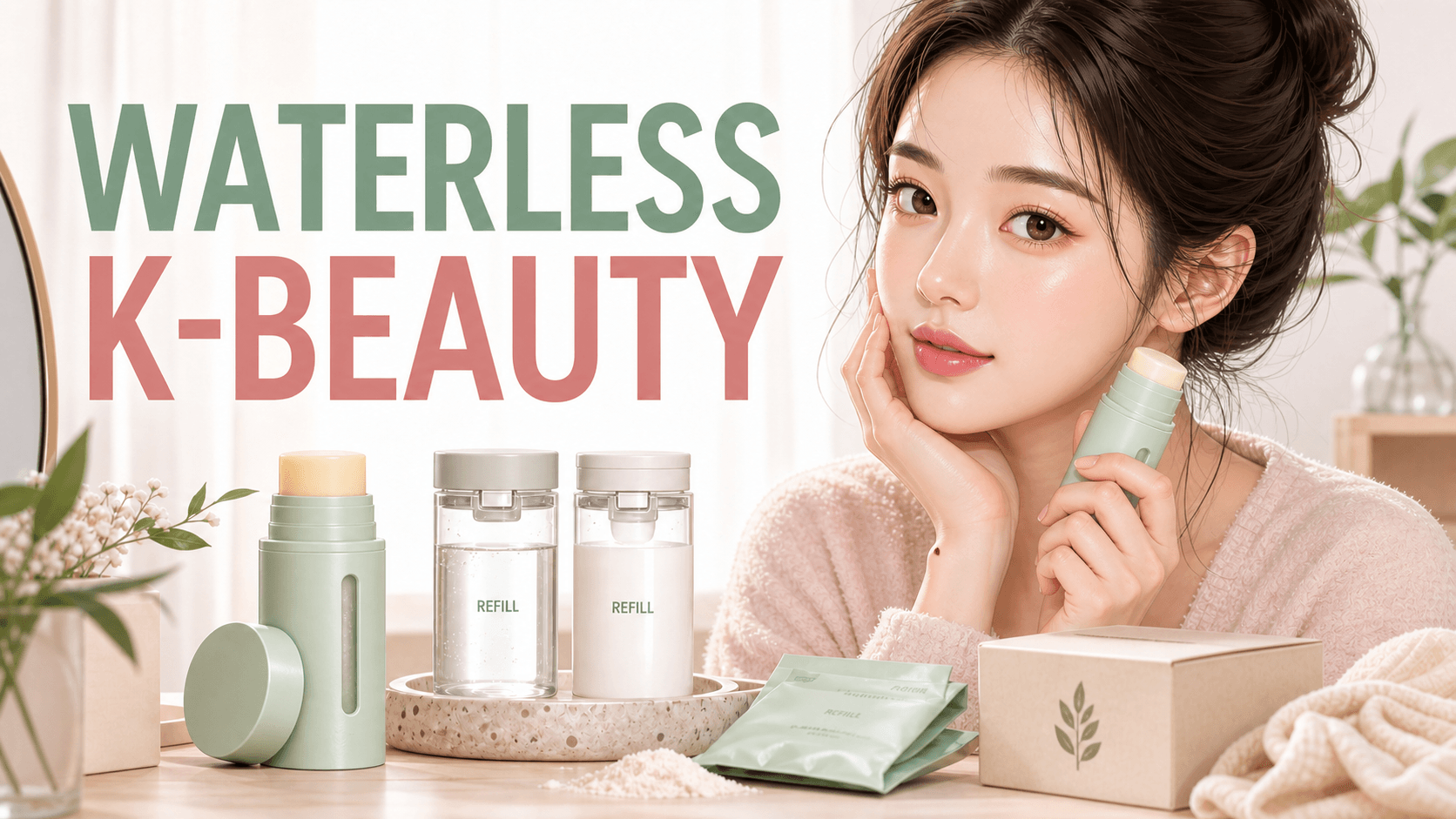
Packaging used to be the part of skincare most of us noticed after the ingredient list. A pretty bottle, a satisfying cap, a compact that felt good in the hand. Nice, but secondary.
Waterless K-beauty is changing that.
When a cleanser becomes a powder, a serum becomes a balm stick, or a refill becomes part of the routine, the package has to do more than look polished on a bathroom shelf. It has to keep moisture out, control the dose, protect the texture, make refills simple, and help the product stay pleasant through real use.
That matters for skincare buyers because the next wave of K-beauty packaging isn't just about sustainability messaging. It's about whether the product stays stable, hygienic, and easy enough that you'll actually finish it.
According to the K-Beauty Packaging Resource, 2026 K-beauty packaging trends are being shaped by refillable systems, post-consumer recycled materials, mono-material designs, airless cushions, smart labels, and packaging built for waterless formats such as solid serums and powder cleansers. The same report points to expanded producer responsibility rules as one reason brands are moving faster. The Korea Packaging Recycling Cooperative describes EPR as a system where producers and importers carry responsibility for recycling post-consumer packaging waste.
For consumers, the useful takeaway is simple: packaging is becoming part of product performance.
Why waterless formulas need better packaging
Waterless skincare sounds straightforward at first. Remove the water, concentrate the formula, reduce shipping weight, and use less bulky packaging. In practice, the format asks more from the container.
A powder cleanser needs to stay dry in a steamy bathroom. A solid serum stick needs to glide without melting, cracking, or collecting dust around the rim. A refill pod has to fit cleanly into the outer case, without turning the refill moment into a small household chore. An airless format has to dispense evenly, especially if the formula is thicker or more concentrated.
This is where eco-engineering becomes more than an environmental claim. The best packaging has to reduce waste while protecting the product you paid for. If the design can't do both, the burden quietly shifts to you. You deal with clumps, leaks, awkward refills, dried-out sticks, or a product that feels less fresh halfway through.
That isn't a good trade, no matter how thoughtful the idea sounded on the box.
What this means for Korean skincare brands
K-beauty has always been strong at format innovation. Cushion compacts, essences, sleeping masks, jelly textures, toner pads, and sunscreen formats all trained consumers to expect skincare that feels intuitive and pleasant.
The packaging reset raises the standard. A brand can't rely only on a clean ingredient story or a soft pastel tube. It has to prove that the whole object works: formula, container, refill, label, disposal, and daily handling.
That may become one of the clearest differences between brands that are simply following a sustainability trend and brands that are building better skincare systems.
For waterless products especially, the winners won't be the ones that make the loudest eco claim. They'll be the ones that make the format feel easy. The cap closes properly. The powder dispenses without a mess. The refill clicks in without frustration. The stick stays smooth. The product doesn't ask you to be unusually patient.
That's the part skincare users should pay attention to.
How to shop waterless and refillable K-beauty with more discernment
If you're trying a waterless or refillable product, start by looking at the package as part of the formula, not separate from it.
For powder cleansers, look for moisture-control details: a tight closure, a dispenser that doesn't dump too much product, and packaging that won't soften or warp near the sink. If reviews mention clumping, messy pouring, or fragrance changing quickly, pause.
For solid serums, balms, and stick formats, pay attention to hygiene and texture. Twist-up packaging can be practical, but the stick should retract cleanly and stay protected. If the product is meant for the face, especially around sensitive areas, you want a design that limits unnecessary handling.
For refill systems, ask one quiet question: will you actually refill it? A beautiful outer case only makes sense if the refill is easy to buy, reasonably priced, and simple to use. If the refill process feels fussy, most people won't keep doing it.
For airless packaging, especially with serums, creams, and cushion formats, look for controlled dispensing and product protection. Airless packaging can be helpful for formulas that are sensitive to air exposure, but it still needs to be well made. A pump that fails early creates waste, even if the concept sounds responsible.
The skincare benefit is calmer buying
The most useful part of this trend isn't that every product needs to be waterless, refillable, recyclable, or packaged in glass. That would turn sustainability into another checklist, and skincare already has enough checklists.
The better approach is to ask whether the packaging supports the way you'll use the product.
If you travel often, a solid cleanser or stick serum may be genuinely practical. If your bathroom is humid, a powder product needs excellent moisture protection. If you like a calm, repeatable routine, a refillable cream only makes sense if reordering and replacing the refill feels effortless.
At this stage, smarter skincare isn't only about ingredients. It's also about formats that fit your life without adding friction.
Eco-engineering may well become the next competitive frontier for Korean brands. For skincare users, the real test is quieter: does the package help the formula perform, reduce needless waste, and make the product easier to finish?
That's the version worth paying attention to. |
|

|
|
More from Just About the Glow
Jul 15, 2026
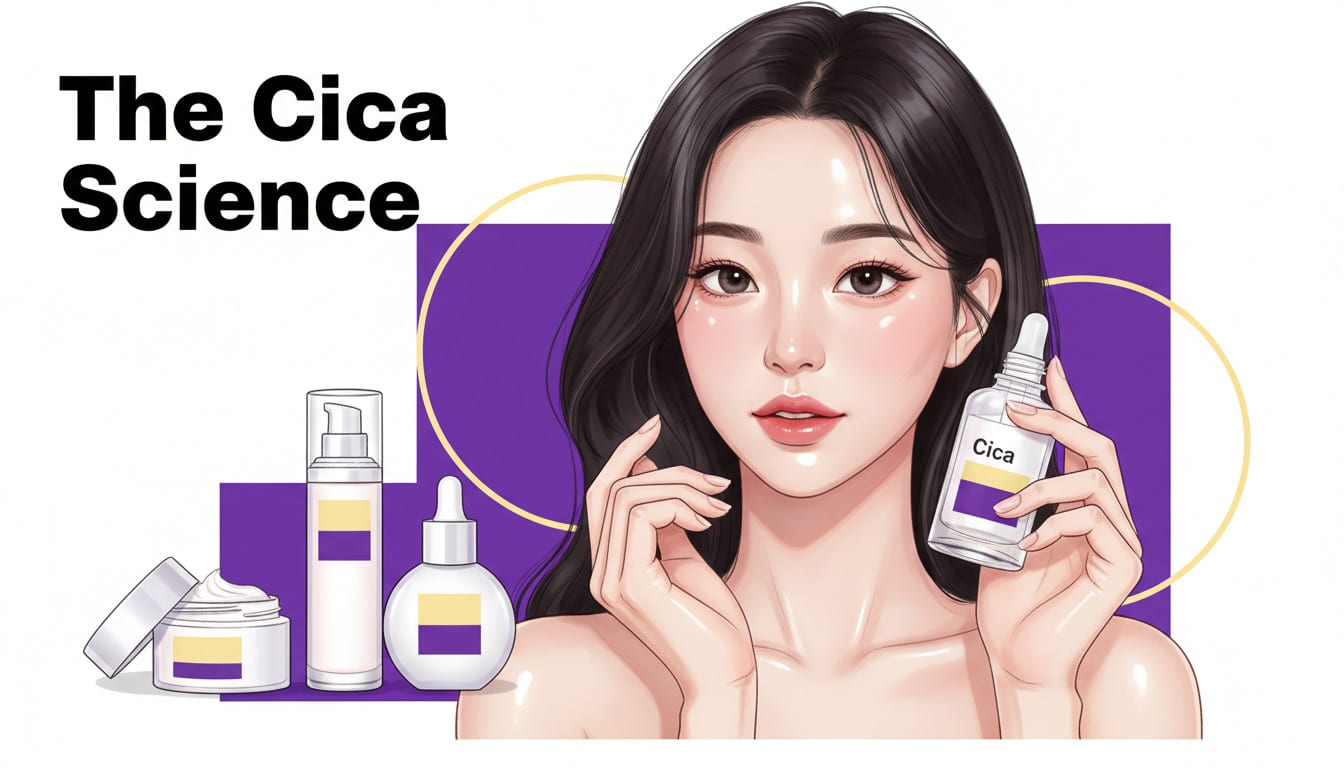
What Centella Asiatica (Cica) Actually Does for Skin
Cica cream science, explained: what asiaticoside and madecassoside actually do for your skin, backed by real studies, not marketing claims.
Jun 16, 2026
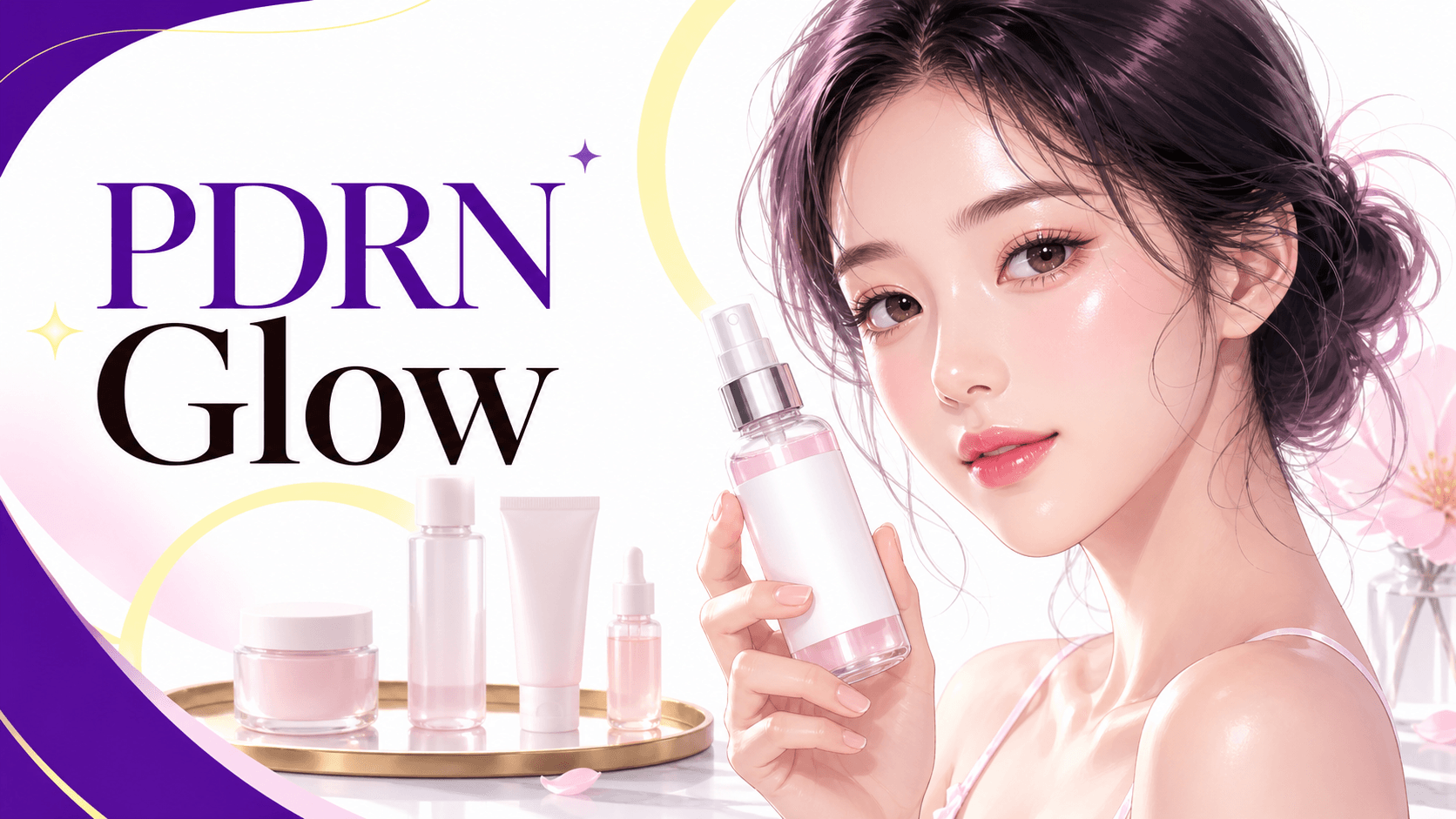
Kendall Jenner, Anua, and the PDRN Mist Question
A measured look at the Anua PDRN mist news, with clear guidance on when a serum mist earns a place in your skincare routine.
Jun 11, 2026
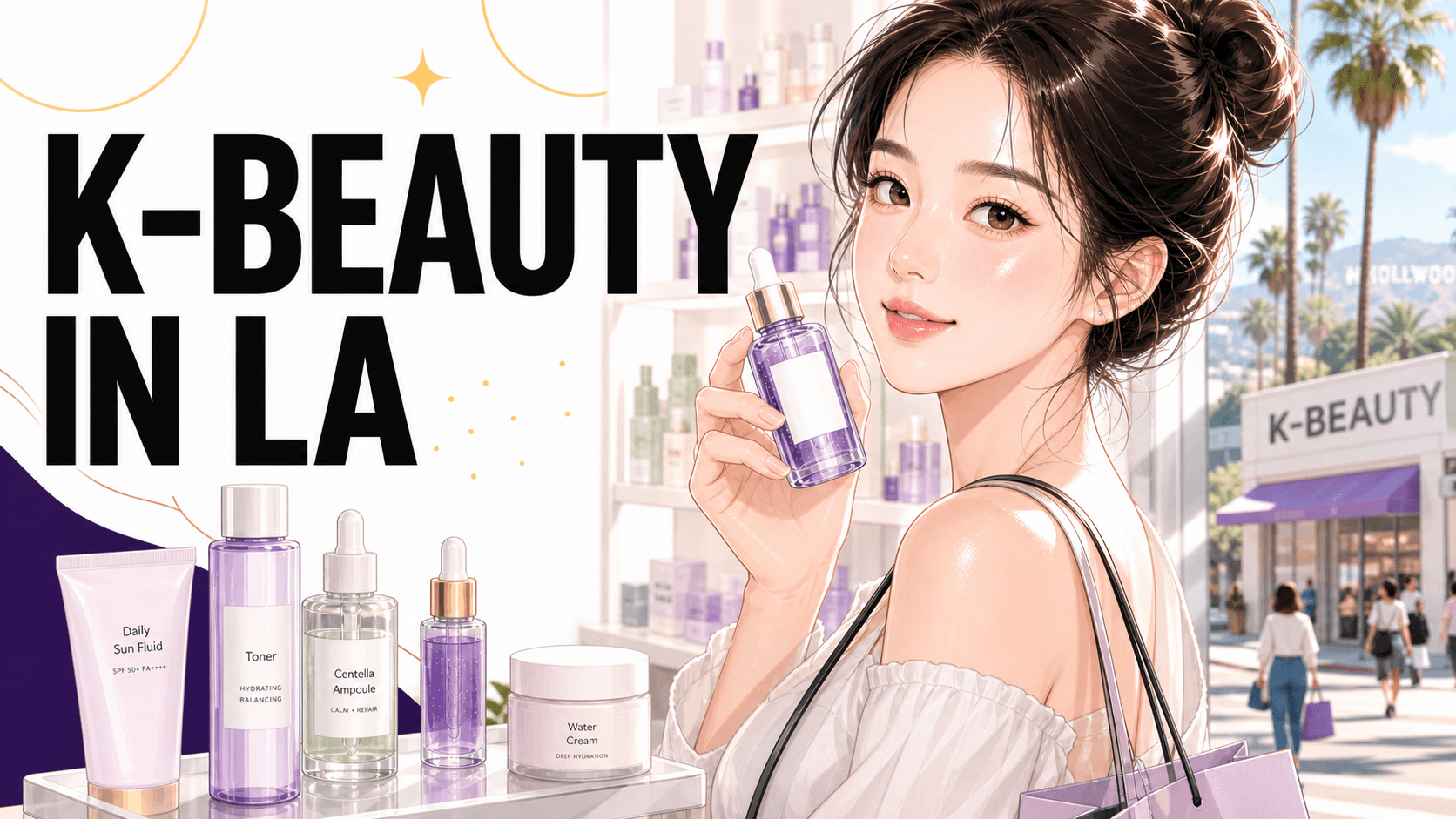
Olive Young's LA Push Is a Test for K-Beauty Shoppers
Olive Young's Los Angeles-area expansion shows how K-beauty shopping is changing, and why skincare buyers still need a clear filter.

Jun 11, 2026
Olive Young Came to Pasadena. Here Is What K-Beauty Shoppers Could Learn.
Olive Young opened its first U.S. store in Pasadena after major creator attention. Here is what K-beauty shoppers could learn.
0 Comments
Join the conversation
Be the first to comment
Share your thoughts above.