
Olive Young Came to Pasadena. Here Is What K-Beauty Shoppers Could Learn. |
After the Los Angeles-area opening drew lines and creator attention, the smarter takeaway was not to buy faster. It was to shop with better filters. |

Olive Young's first U.S. store had already turned K-beauty from something many shoppers watched online into something they could stand in line for in Pasadena.
A Forbes report published before the opening framed the moment as more than a store launch. It described Olive Young as a major Korean beauty retailer preparing a U.S. move after creator content had already given Korean skincare serious visibility with American shoppers.
After the store opened, local coverage suggested the interest was real. NBC Los Angeles reported that dozens of people lined up around the block for the Pasadena opening, and ABC7 Los Angeles reported that some shoppers had camped overnight before doors opened.
That reception mattered because it showed something skincare users had probably felt for a while: K-beauty was no longer a niche corner of the internet. For many buyers, Korean sunscreens, toner pads, barrier creams, essences, and cushion compacts had already become familiar through TikTok routines, YouTube reviews, and creator product tests before they ever reached a local shelf.
The Forbes piece also pointed to the scale of creator attention around Korean beauty. It cited creator media impact value, including seven-figure returns from some beauty creators. The exact numbers were industry-facing, but the consumer effect was simple: repeated creator coverage made certain brands and textures feel known before shoppers had held the product themselves.
That could be useful. A good creator video can show how a sunscreen rubbed in, whether a cream looked heavy, how a toner pad sat on skin, and whether a serum left tackiness behind. For a shopper trying to avoid waste, that kind of visual context can save time.
But creator familiarity could also make a product feel more proven than it really was. A product that looked beautiful under studio lights still had to work with your barrier, your climate, your makeup, your sensitivity level, and your actual morning schedule.
That was the bigger lesson from Olive Young's arrival. Access got easier, but discernment still mattered. A bigger shelf did not mean a bigger routine. It meant more chances to choose well, and more chances to buy something because it had been repeated often enough to feel inevitable.
For skincare users, the better way to read the Pasadena moment was practical. Let creators help you understand texture and routine placement. Let store access help you compare options in person. Then let your skin decide whether the product deserved space in your routine.
If your skin had been dry by midday, a barrier cream or essence might have made more sense than another brightening step. If your sunscreen already worked, a viral SPF did not need to replace it just because it looked polished in a video. If your skin had become more reactive, a slower approach to testing still mattered more than any opening-day excitement.
Olive Young was important because it brought more Korean skincare choices closer to U.S. shoppers. The best response was not to treat the opening as a reason to buy more. It was to treat it as a reason to get clearer about what your skin actually needed next. |
|

More from Just About the Glow
Jul 15, 2026
What Centella Asiatica (Cica) Actually Does for Skin
Cica cream science, explained: what asiaticoside and madecassoside actually do for your skin, backed by real studies, not marketing claims.
Jun 16, 2026
Kendall Jenner, Anua, and the PDRN Mist Question
A measured look at the Anua PDRN mist news, with clear guidance on when a serum mist earns a place in your skincare routine.
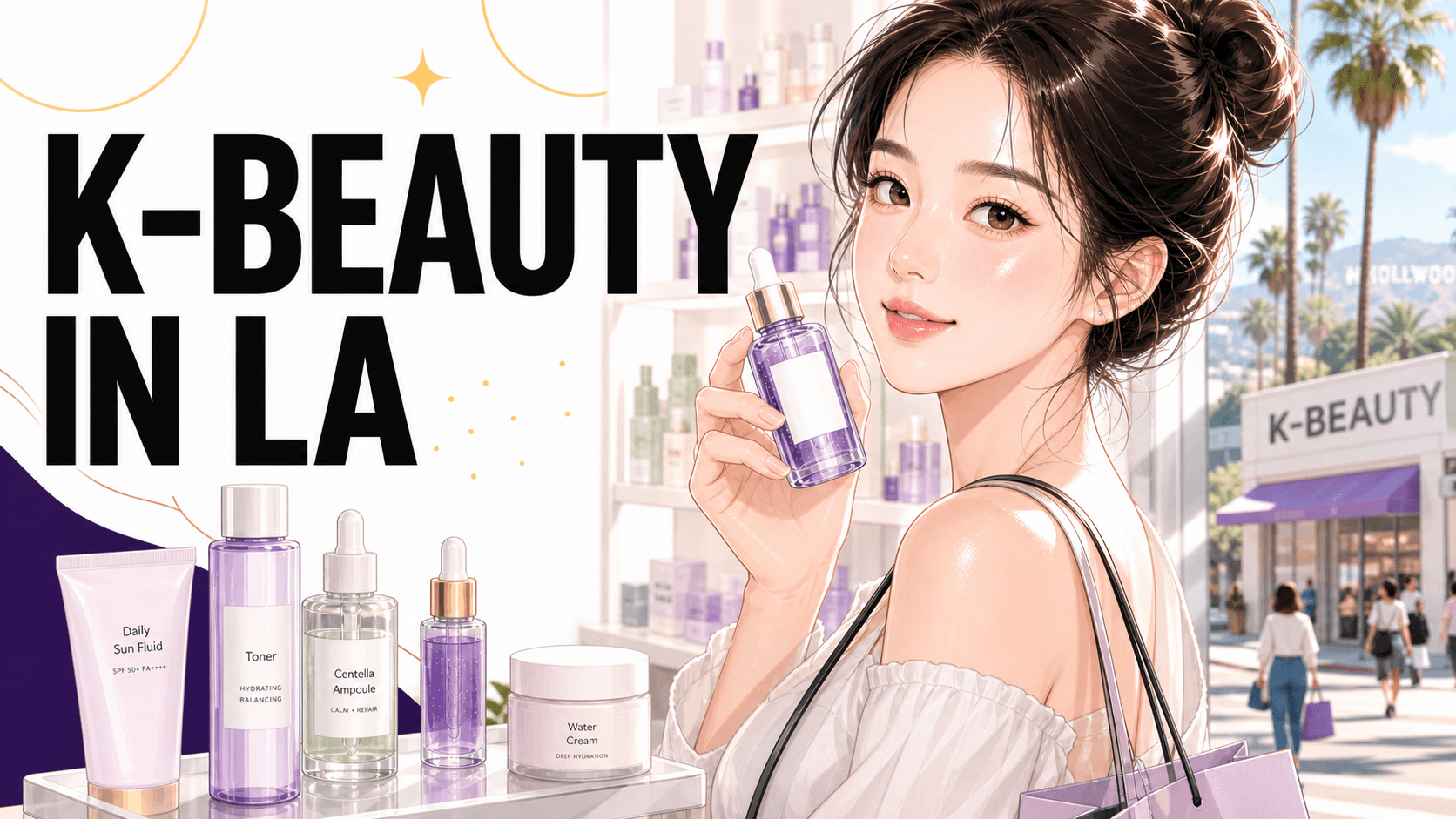
Jun 11, 2026
Olive Young's LA Push Is a Test for K-Beauty Shoppers
Olive Young's Los Angeles-area expansion shows how K-beauty shopping is changing, and why skincare buyers still need a clear filter.
Jun 11, 2026
K-Beauty Packaging Reset
A calm look at how waterless formulas, refill systems, and sustainability rules are changing Korean skincare packaging.
0 Comments
Join the conversation
Be the first to comment
Share your thoughts above.